Summary
California prison sexual assault survivors have options for reporting abuse, seeking medical and mental health care, requesting protection from retaliation, and pursuing legal remedies. Federal PREA standards and California rules provide important safeguards. Survivors can also seek confidential support from outside organizations and legal guidance about civil claims and filing deadlines.
Table of Contents:
Sexual assault in prison can leave a survivor feeling isolated, frightened, and unsure where to turn, especially when the person responsible is another incarcerated individual, a correctional officer, contractor, volunteer, or someone else with authority inside the facility.
For California prison sexual assault survivors, help may still be available. The California Department of Corrections and Rehabilitation (CDCR) has reporting procedures for sexual abuse, medical care, mental health support, and protection from retaliation. Survivors may also be able to report through outside channels, contact advocacy organizations, and seek legal guidance about their rights.
These protections matter in facilities across California, including the California Institution for Women and Central California Women’s Facility. While every situation is different, survivors do not have to rely on only one reporting path or handle the aftermath alone.
The problem is also broader than a single institution. The U.S. Bureau of Justice Statistics reported that correctional authorities nationwide received 36,264 allegations of sexual victimization in adult correctional facilities in 2020, including inmate-on-inmate abuse, staff sexual misconduct, and sexual harassment.
A survivor does not need to have all the answers before asking for help. Safety, medical care, emotional support, and protection from further harm should come first. From there, understanding PREA protections, California law, reporting options, and possible civil claims can help survivors make informed decisions about what happens next.
How Can You Report Sexual Assault Safely While in Custody?
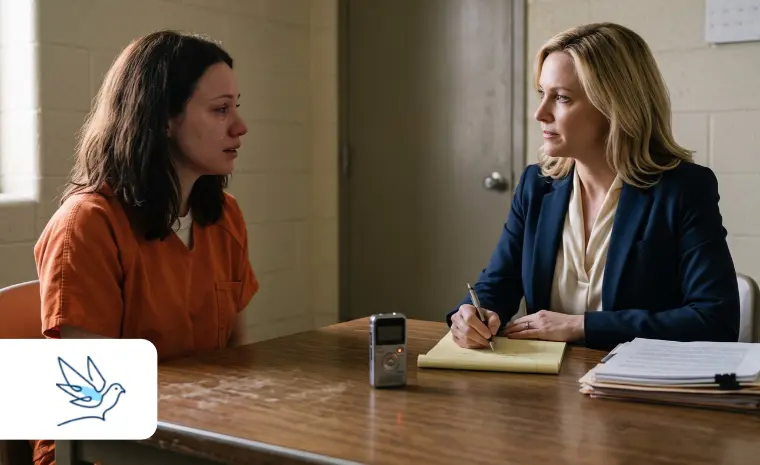
California prison sexual assault survivors do not have to rely on only one reporting method.
CDCR provides multiple avenues for reporting allegations, including facility staff, the Office of Internal Affairs, and outside PREA reporting channels. Third parties, including family members and advocates, may also make reports.
When making a report, include as much information as safely possible, such as:
- The facility where the incident occurred
- Approximate date and time
- Location within the institution
- Identity or description of the alleged perpetrator
- Witnesses, if any
- Whether medical care is needed
- Whether there are immediate concerns about retaliation or safety and security
If the alleged abuser is a staff member or someone with authority, an outside reporting channel may feel safer.
California law and PREA protections are designed to support reporting and reduce retaliation. However, practical concerns inside custody can be complicated, so survivors may also benefit from help from outside advocates or legal counsel.
How Does PREA Protect Survivors From Sexual Abuse and Retaliation?
The Prison Rape Elimination Act, or PREA, is a federal law aimed at preventing, detecting, and responding to sexual abuse in correctional settings.
PREA standards address:
- Sexual abuse prevention
- Reporting options
- Investigation procedures
- Medical and mental health responses
- Evidence preservation
- Staff training
- Protection from retaliation
- Access to outside advocacy, where available
- Ongoing safety and security measures
These protections matter whether the alleged misconduct involves another incarcerated person or correctional staff.
Under California law, correctional agencies may also face additional responsibilities involving staff conduct, supervision, medical care, and protection from known risks.
For survivors housed at facilities such as the California Institution for Women or Central California Women’s Facility, understanding both PREA and California law can help clarify available reporting and protection options.
What Legal Options Are Available to California Prison Sexual Assault Survivors?
A prison sexual assault may involve criminal, civil, administrative, or constitutional issues.
Claims Against Individual Abusers
A survivor may have legal claims directly against the person who committed the abuse. Depending on the conduct, this may include claims involving sexual assault, battery, or other intentional wrongdoing.
Claims Involving Institutions or Government Entities
In some cases, responsibility may extend beyond the individual perpetrator.
A sexual abuse claim may raise questions about:
- Prior complaints
- Negligent supervision
- Failure to respond to known risks
- Staff misconduct
- Inadequate protection
- Institutional policies
- Retaliation after reporting
- Failures affecting safety and security
Because prisons are government-operated institutions, special claim procedures and shorter deadlines may apply.
Sexual Abuse Lawsuits and Compensation
Sexual abuse lawsuits may seek compensation for harms such as:
- Medical expenses
- Mental health treatment
- Emotional distress
- PTSD
- Pain and suffering
- Lost income
- Future treatment needs
Depending on the facts and defendants, a survivor may also ask whether punitive damages are available. Punitive damages differ from compensatory damages and are generally intended to punish, especially wrongful conduct, rather than to reimburse the survivor for losses.
Punitive damages are not automatic. Their availability depends on the evidence, the defendant involved, and the applicable legal standards.
A prison sexual abuse attorney can evaluate whether a civil sexual abuse claim may support compensatory damages, punitive damages, or other remedies.
How a Prison Sexual Abuse Attorney Can Help
A prison sexual abuse attorney may help a survivor understand how California law, PREA, government-claim procedures, and civil litigation rules apply to the specific facts. Legal counsel may assist by:
- Identifying filing deadlines
- Preserving medical and institutional records
- Requesting surveillance footage
- Reviewing prior complaints
- Investigating staff or supervisory conduct
- Evaluating failures involving safety and security
- Documenting physical and psychological harm
- Reviewing whether punitive damages may be available
- Preparing a sexual abuse claim
- Filing sexual abuse lawsuits when appropriate
- Communicating with government agencies and correctional institutions
Our attorney may also investigate whether problems were isolated or whether similar complaints existed at the same institution.
That can be especially relevant in cases involving large California correctional facilities such as the California Institution for Women and Central California Women’s Facility. Historical records may also refer to Valley State Prison for Women, although its institutional role has changed over time.
The goal is to understand what happened, identify potentially responsible parties, and determine which legal remedies may be available under California law.
Frequently Asked Questions
Can I report sexual assault if the abuser is a correctional officer?
Yes. CDCR provides reporting options outside the immediate facility chain of command, including the Office of Internal Affairs and Office of the Inspector General PREA Ombudsperson. A trusted family member or third party may also report the allegation.
Can staff legally have a sexual relationship with an incarcerated person in California?
California Penal Code §289.6 prohibits specified sexual activity between covered detention personnel and confined individuals. The statute states that the confined person’s consent is not a defense to prosecution.
What if I am afraid of retaliation after reporting?
PREA and CDCR policies prohibit retaliation connected to reporting sexual misconduct. Protective measures may include housing changes, separating the survivor from an alleged abuser, removing staff contact, or providing emotional support.
Do I have to report immediately to have legal options?
Not necessarily. Delayed reporting does not automatically eliminate a civil claim. However, deadlines vary significantly, particularly when government agencies are involved. Early legal review can help determine which rules apply.
When should I contact a prison sexual abuse attorney?
Consider speaking with a prison sexual abuse attorney when you want to understand reporting options, preserve evidence, evaluate a civil claim, address retaliation concerns, or determine which filing deadlines apply. An attorney can review the specific facility, alleged perpetrator, and circumstances without assuming every case follows the same process.
You Deserve Safety, Support, and a Voice
California prison sexual assault survivors may feel isolated by the very environment in which the abuse occurred. But incarceration does not erase the right to bodily safety, medical care, mental health support, or protection from sexual abuse and retaliation.
Survivors can report through internal or outside channels, request appropriate care, reach out to advocacy organizations, and explore legal options when they are ready.
If you or someone you care about experienced sexual assault while incarcerated in California, Women’s Rights Group can help explain available civil remedies and next steps. Contact us for a free and confidential consultation with a prison sexual abuse attorney who can review the circumstances and help you understand your rights.