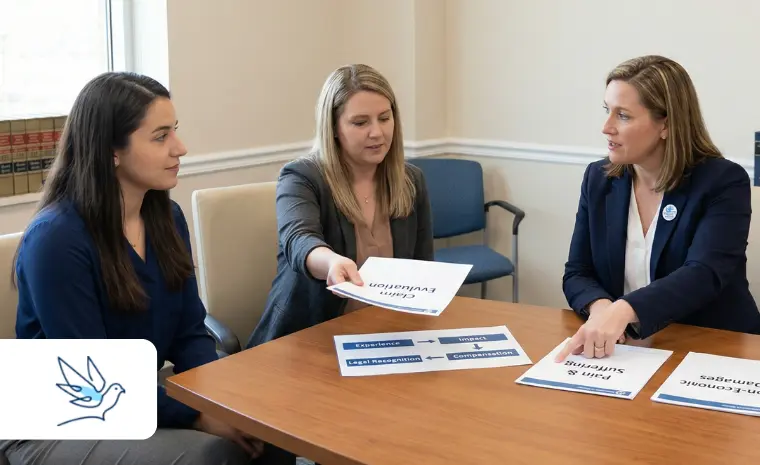
A single experience can leave lasting scars long after the situation ends, and in many human trafficking cases, those scars go far beyond what can be seen. Survivors often carry deep pain and suffering that affects their health, relationships, and ability to move forward.
In California, the law recognizes that harm is not only financial but also deeply personal. This means survivors may have the right to pursue compensation for the full impact of what they endured.
If you or a loved one has been affected, here’s what to expect and how these claims work.
What Does “Pain and Suffering” Mean in Human Trafficking Cases?
In legal terms, pain and suffering refer to the non-financial harm caused by an experience like human trafficking. These are classified as non-economic damages and focus on the emotional and physical effects on a person’s life.
This may include:
- Emotional distress and mental anguish
- Emotional trauma and lasting psychological impact
- Physical pain or physical discomfort
- Loss of enjoyment of life
Unlike economic damages such as medical bills or lost wages, these damages are more subjective. However, they are often just as significant in reflecting the survivor’s experience.
Is Pain and Suffering Legally Recognized in California Trafficking Claims?
Yes. California law, particularly Civil Code Section 52.5, allows survivors of human trafficking—such as forced labor and sex trafficking—to pursue compensation for both economic and non-economic damages.
A civil claim may include:
- Medical expenses and ongoing medical treatment
- Lost wages due to the inability to work
- Compensation for non-economic loss, including emotional toll
California courts recognize that harm extends beyond financial loss. Survivors may pursue damages tied to their recovery period, long-term recovery time, and the broader disruption to their lives.
Working with a California human trafficking lawyer can help ensure that all categories of damages are properly identified and supported.
Types of Pain and Suffering Survivors May Experience
The impact of human trafficking can vary, but many survivors experience a combination of physical, emotional, and psychological harm.
Common effects include:
- Chronic physical pain or lingering injuries
- Severe emotional distress and anxiety
- Depression and isolation
- Difficulty trusting others or authority figures
- Substance abuse or coping challenges
Research published through the National Center for Biotechnology Information highlights that survivors frequently face depression, fear, shame, and distrust of institutions. These effects can persist long after the situation ends.
Emotional and Psychological Trauma in Trafficking Cases
The emotional trauma tied to human trafficking is often profound. Survivors may develop post-traumatic stress disorder, which can affect daily functioning and relationships.
Key psychological impacts include:
- Persistent fear or hypervigilance
- Recurring memories or nightmares
- Difficulty maintaining employment or stability
- Long-term emotional pain
This emotional toll is a critical component of pain and suffering claims. Courts increasingly recognize how these experiences shape a survivor’s life beyond the immediate harm.
How Pain and Suffering Are Proven in Court
Unlike financial losses, pain and suffering must be demonstrated by evidence showing how the survivor’s life has changed.
Evidence may include:
- Personal statements describing daily challenges
- Documentation of the recovery period and recovery time
- Records showing impact on work, relationships, and lifestyle
A legal team will build a narrative that connects the survivor’s experiences to measurable life changes. This helps courts evaluate the extent of the harm.
The Role of Medical and Psychological Evidence
Medical and psychological records play a central role in these claims.
Key supporting evidence may include:
- Medical treatment records and therapy notes
- Diagnoses such as post-traumatic stress disorder
- Expert testimony from doctors or mental health professionals
- Expert opinion explaining Long-term effects
These forms of evidence help validate the survivor’s experience. They also provide objective support for claims involving emotional distress, physical discomfort, and long-term harm.
Quick Overview: Damages in Trafficking Cases
Type of Damage | What It Covers |
Economic Damages | Medical bills, lost wages, and medical expenses |
Non-Economic Damages | Emotional pain, mental anguish, loss of enjoyment of life |
Long-Term Impact | Recovery time, ongoing care, and emotional trauma |
How Legal Support and WRG Help You Move Forward
Pursuing a claim can feel overwhelming, especially after such a difficult experience. A California human trafficking lawyer can guide survivors through each step with care and discretion.
Women’s Rights Group (WRG) offers support tailored to sensitive situations. Our approach focuses on:
- Connecting survivors with resources such as the National Human Trafficking Hotline
- Helping document non-economic damages effectively
- Coordinating with a legal team to build a strong case
Support is designed to prioritize safety, privacy, and long-term recovery.
5 Actionable Steps for Survivors and Families
If you or someone you know may be affected, consider the following:
- Seek medical treatment and document all injuries
- Keep records of emotional and psychological symptoms
- Avoid discussing details publicly or on social media
- Reach out to trusted resources or advocacy groups
- Consult with a qualified legal professional early
These steps can help protect both your well-being and your legal options.