Summary
This guide explains how to stay safe in California tourist areas, including hotels, rideshares, nightlife districts, and crowded attractions. It outlines practical precautions, warning signs, emergency steps, evidence preservation, survivor resources, and California legal rights. Travelers and families can use these tips to reduce risk and respond confidently when needed.
Table of Contents:
A vacation should bring rest and connection, not fear. Learning how to stay safe in California tourist areas can help travelers navigate unfamiliar hotels, nightlife districts, crowded attractions, and rideshare pickups with greater confidence. No checklist can prevent every act of sexual assault, and responsibility always belongs to the person who causes harm.
Practical precautions can still reduce isolation, improve access to help, and preserve options when conduct feels unsafe. These steps are useful for visitors exploring beaches and entertainment areas in Los Angeles or anywhere in California.
Below are common risks, protective actions, and resources.
Why California Tourist Areas Can Pose Safety Risks
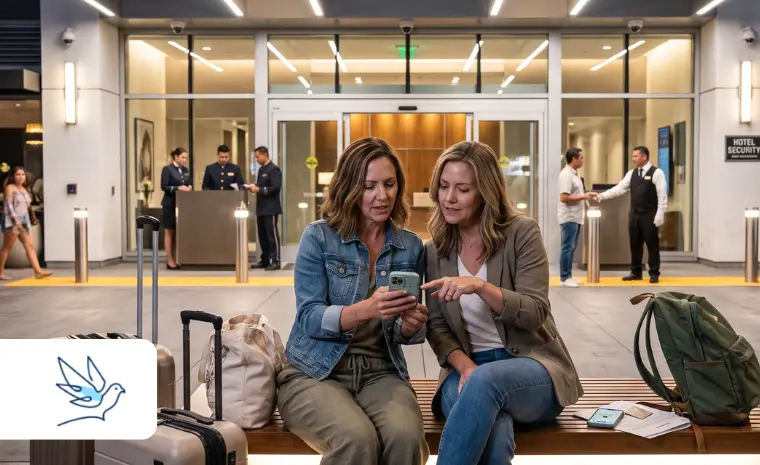
Tourist districts combine crowds, alcohol, unfamiliar routes, and temporary lodging. Busy environments can make unwanted attention harder to detect.
Visitors may also be less familiar with local transportation, emergency resources, or hotel security procedures, which can delay a response when something feels off. In some cases, offenders may exploit isolation, confusion, or a traveler’s reluctance to seek help in an unfamiliar place.
A 2024 study by the Newcomb Institute revealed that 84% of women and 24% of men in California faced harassment or assault in public spaces. The most frequently reported offenders were strangers, impacting 80% of women and 27% of men surveyed.
These findings highlight why travelers in crowded tourist areas should stay alert for unwanted behavior by unfamiliar people and identify nearby sources of help.
Common Scenarios in Tourist Zones
Sexual violence may occur in:
- Hotel rooms, hallways, elevators, pools, or parking areas
- Bars, clubs, festivals, concerts, and late-night restaurants
- Rideshare vehicles, public transit, or pickup zones
- Beaches, restrooms, trails, and crowded attractions
- Private gatherings involving new acquaintances
Some sexual predators test boundaries through unwanted touching, isolation, drink tampering, or pressure to change locations; sexual harassment can escalate when someone ignores a refusal or separates a traveler from companions.
Hotel Safety Tips
Review security comments and confirm whether guest floors require controlled access:
- Keep the room number private
- Use every available door lock
- Meet deliveries in the lobby
- Report broken locks, dark areas, or suspicious conduct
- Ask staff to document complaints
- Request an escort if followed
A hotel may face a civil claim when negligent security contributes to foreseeable harm. Records can include prior incidents, key-card logs, and surveillance footage.
Rideshare and Nightlife Safety
Verify the vehicle, license plate, and driver before entering an Uber or Lyft. Sit in the rear seat, share your trip details with someone you trust, and exit in a populated area if the driver changes the route without explanation.
Keep drinks in sight and check in with friends. Warning signs include blocking an exit, taking your phone, entering your room, or treating intoxication as consent.
When considering how to stay safe in California tourist areas, leave when conduct becomes controlling or threatening.
Reducing Risk at a Hotel
Situation | Response |
Someone follows you | Enter a staffed public area |
A stranger claims to be staff | Call reception before opening |
A lock or key card fails | Request another room and written documentation |
You receive unwanted contact | Save messages, names, and times |
A child reports concerning conduct | Move the child to safety and listen calmly |
Reducing the risk of sexual assault in a hotel also means limiting access to personal information. Avoid posting live locations, room numbers, or children’s routines because child sexual abuse may involve grooming rather than immediate force.
If a child reports concerning behavior, respond calmly and avoid blame. Supportive communication can protect the child’s safety, emotional well-being, and healthy social development.
What to Do If You Feel Unsafe
Move toward a staffed, well-lit area, such as a hotel lobby, an open business, a security desk, or a busy transit stop. In Los Angeles, popular spots such as Hollywood Boulevard or Santa Monica Pier are common. In California, notable sites like San Francisco’s Fisherman’s Wharf offer access to businesses, security, and visitors.
Call 911 if you face immediate danger. Tell a trusted person where you are and ask them to remain connected while you move to safety.
When possible, record names, physical descriptions, vehicle details, locations, and witness information. Note nearby streets, businesses, or landmarks to help law enforcement quickly identify the location.
What to Do After an Incident
Seek medical attention promptly. California provides free forensic examinations by trained medical professionals, and an exam does not require participation in a criminal prosecution. A support person may attend.
Before washing clothing or deleting messages, consider preserving forensic evidence. DNA evidence, photographs, receipts, trip records, access logs, and communications may support a report or civil lawsuit. Obtain medical care even without visible injuries.
Later, healthcare providers can address injuries, infection risks, pregnancy concerns, mental health treatment, and post-traumatic stress disorder. Survivors may contact a rape crisis center or law enforcement. Public databases also contain information on registered sex offenders, although registries cannot identify every risk.
Your Rights as a California Visitor
California law protects residents and visitors. Civil Code section 1708.5 permits damages for sexual battery, including general, special, and punitive damages.
A case may include an Intentional Tort against the perpetrator, and negligence claims against a hotel, venue, employer, or transportation provider. Compensation may address medical expenses, lost income, emotional distress, and future treatment.
For adult cases, Code of Civil Procedure section 340.16 generally permits filing within 10 years of the last assault or within 3 years of discovering a resulting injury or illness, whichever is later. The statute of limitations includes exceptions and revival provisions. Different deadlines may govern sexual abuse claims involving minors.
A criminal conviction is not required for a civil case; sex abuse and other sexual misconduct matters may proceed through the civil justice system. A sexual assault attorney in Los Angeles can review responsible parties, evidence preservation, and deadlines.
Frequently Asked Questions
Where is the safest place to vacation in California?
No destination guarantees safety. Compare hotel access controls, transportation, lighting, recent reviews, and proximity to staffed spaces. Focus on how to stay safe in California tourist areas through planning, communication, and quick access to assistance.
How hard is it to win a sexual assault case?
Results depend on evidence, witnesses, records, and the legal theory. An expert witness may explain trauma responses or security standards. Sexual abuse victims should not assume delayed reporting defeats a case. Skilled legal representation can identify corroborating records.
How much is a sexual assault lawsuit worth?
There is no fixed value. Compensation depends on the harm, treatment needs, financial losses, defendant conduct, insurance, and proof of liability. Because sexual abuse lawsuits require review, consult a law firm.
Safety, Recovery, and Legal Options
Safety planning never transfers blame to survivors. A trauma-informed approach respects privacy, personal choices, and the pace of recovery.
Women’s Rights Group offers compassionate legal support to survivors and families. Our legal team can review concerns about hotels, rideshares, venues, workplaces, or sexual abuse and explain next steps. Speak with a sexual assault attorney in Los Angeles for a free, confidential consultation.